
What Foods Help With Nausea on Weight-Loss Injections?
Pharmacist-approved guidance on using food strategically to manage side effects and stay comfortable on treatment.
Food choices play a much bigger role in managing nausea from weight-loss injections than many patients realise.
In pharmacist-led practice, one of the most effective ways to reduce nausea is not changing medication, but adjusting what, how, and when patients eat — particularly during the early stages of treatment or after dose increases.
This guide explains which foods tend to help with nausea on weight-loss injections such as Mounjaro and Wegovy, which foods may worsen symptoms, and how to structure meals to support tolerability — based on real-world experience at West Hill Pharmacy.
For a full overview of side effects, see: Side Effects of Mounjaro (2026): What UK Patients Commonly Experience
Why Food Choice Affects Nausea on Weight-Loss Injections

Weight-loss injections work in part by slowing how quickly food leaves the stomach. Whilst this helps with fullness and appetite control, it can also make the stomach more sensitive — especially during early treatment.
Certain foods are:
- easier to digest
- less likely to sit heavily in the stomach
- less likely to trigger nausea
Others can worsen symptoms by:
- increasing stomach fullness too quickly
- slowing digestion further
- irritating the gut
Understanding these differences can significantly improve day-to-day comfort.
What West Hill Pharmacy Sees in Practice
Based on pharmacist-led weight-management care
At West Hill Pharmacy, food-related nausea is one of the most common issues raised by patients using weight-loss injections.
In practice:
- small food changes often reduce symptoms dramatically
- patients who skip meals tend to feel worse, not better
- simple, bland foods are often best early on
Under the clinical oversight of Jaya Authunuri, patients are encouraged to treat food as a tool for managing side effects, not something to avoid entirely.
Foods That Commonly Help Reduce Nausea
Whilst individual tolerance varies, several food groups are consistently better tolerated during periods of nausea.
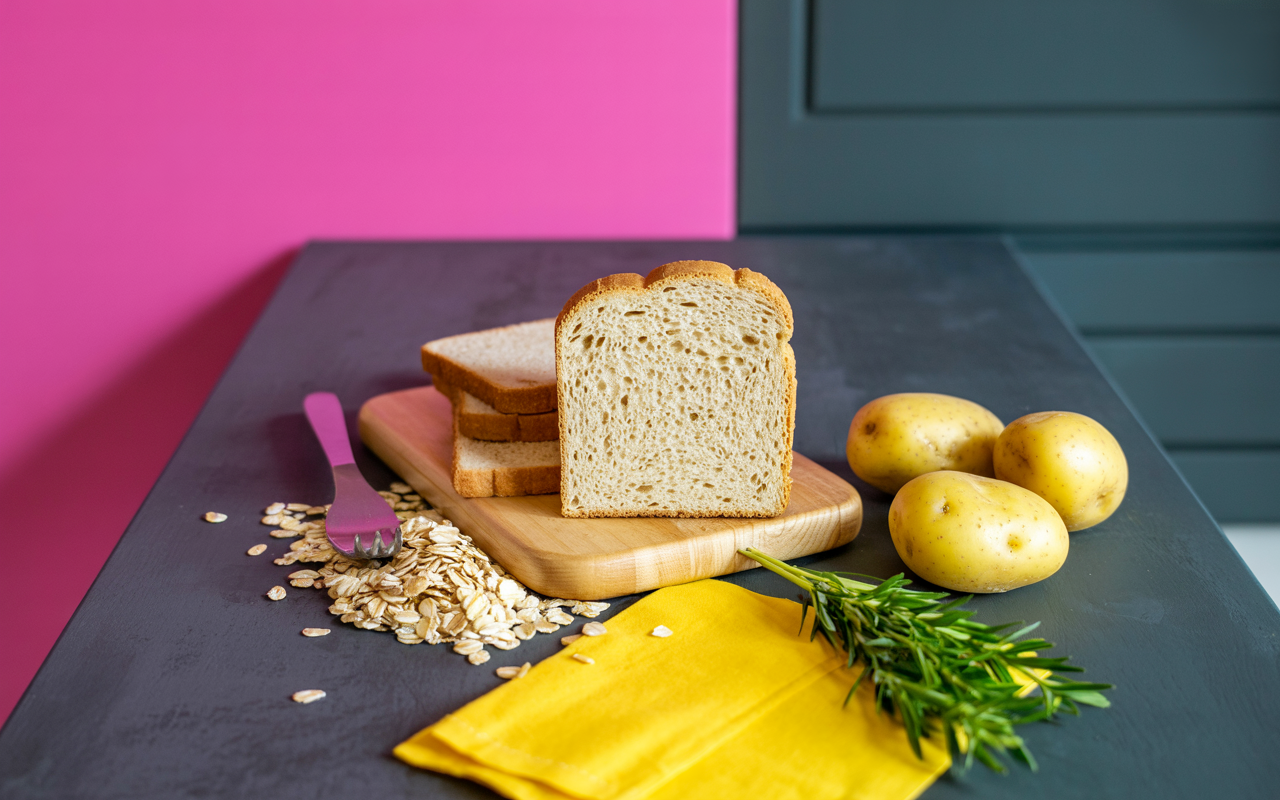
1. Plain, Low-Fat Foods
Low-fat foods are easier to digest and less likely to linger in the stomach.
Common examples include:
- plain crackers or toast
- rice or plain pasta
- boiled or mashed potatoes
- oat-based foods
These foods are often recommended during early treatment or after dose increases.
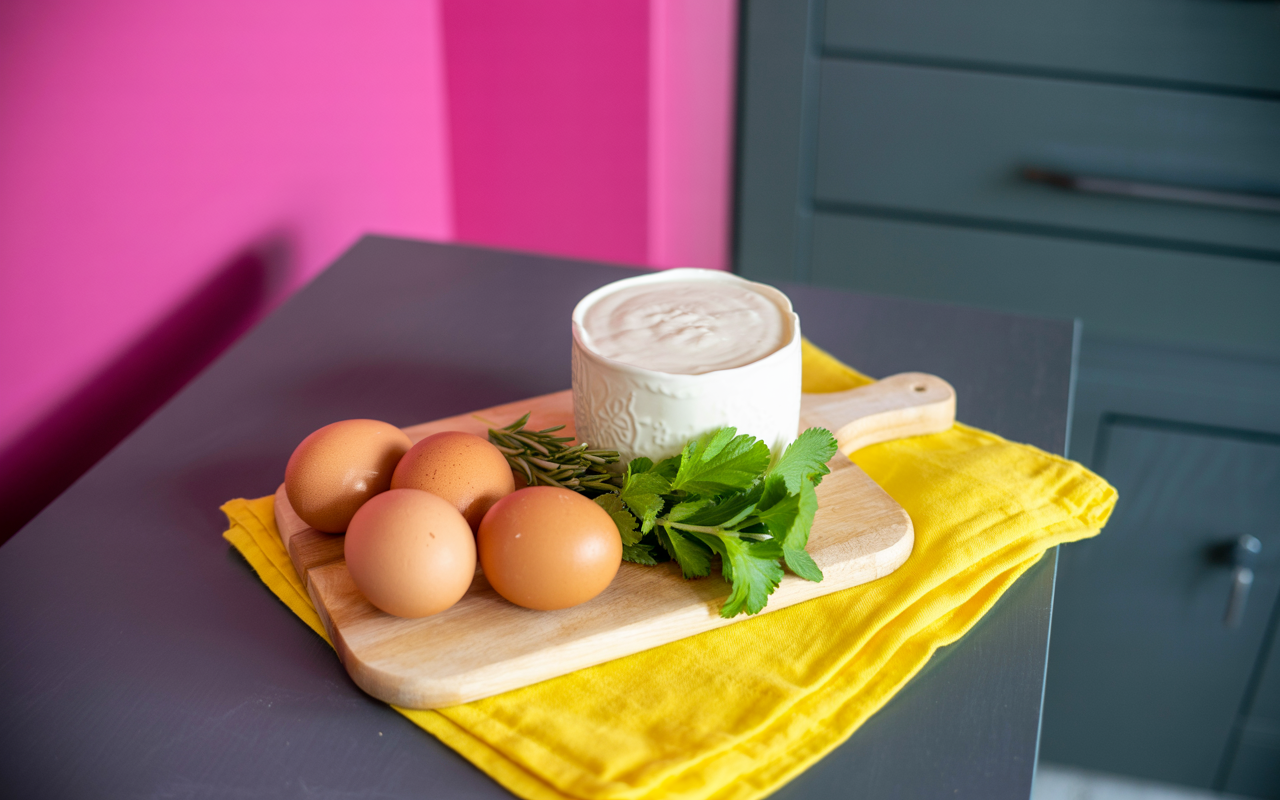
2. Protein in Small, Gentle Portions
Protein is important for satiety and muscle preservation, but large portions can worsen nausea.
Patients often tolerate:
- eggs
- yoghurt
- cottage cheese
- lean poultry or fish in small amounts
Spreading protein intake across the day rather than concentrating it in one meal can help.

3. Ginger-Containing Foods
Ginger has long been used to support digestion and reduce nausea.
Some patients find relief from:
- ginger tea
- ginger biscuits
- small amounts of fresh ginger in meals
Whilst not a cure-all, ginger can be a helpful addition for mild nausea.

4. Cold or Room-Temperature Foods
Strong smells and heat can worsen nausea for some people.
Cold or room-temperature foods such as:
- yoghurt
- fruit
- cold meats
- chilled soups
may feel more tolerable, particularly during periods of queasiness.
5. Simple Carbohydrates When Appetite Is Low
When appetite is reduced, forcing “perfect” meals can increase nausea.
In practice, it is often better to eat:
- small amounts regularly
- simple carbohydrates if needed
- foods that feel manageable
Adequate intake helps prevent nausea caused by an empty stomach.
Foods That May Worsen Nausea
Certain foods are more likely to trigger or worsen symptoms, particularly early in treatment.

High-Fat or Greasy Foods
These can slow digestion further and increase fullness.
Examples include:
- fried foods
- fast food
- rich sauces
Large, Heavy Meals
Overfilling the stomach can worsen nausea when gastric emptying is slowed.
Patients are often advised to:
- reduce portion sizes
- eat more frequently if needed

Very Sweet or Sugary Foods
High-sugar foods can worsen nausea for some patients.
Examples include:
- pastries
- sweets
- sugary drinks
Strongly Spiced Foods
Spices and strong flavours can irritate the stomach during sensitive periods.
How Meal Timing Affects Nausea
When you eat can be as important as what you eat.
Pharmacist-led advice often includes:
- eating small meals regularly
- avoiding long gaps without food
- spacing meals away from injection times if needed
Patients who skip meals often experience worse nausea, not less.
Hydration: Supporting Digestion Without Worsening Symptoms
Hydration is important, but large volumes of fluid can increase nausea.
Helpful strategies include:
- sipping water throughout the day
- avoiding fizzy drinks
- limiting large drinks with meals
Dehydration can worsen nausea and fatigue.
Mounjaro vs Wegovy: Do Food Strategies Differ?
Whilst both medications slow digestion, some patients find:
- Mounjaro causes stronger fullness earlier
- Wegovy feels more gradual
However, food strategies are broadly similar for both. Adjustments are based on individual tolerance rather than medication alone.
For medication-specific guidance, see:
Common Food-Related Mistakes
From a pharmacist’s perspective, common issues include:
- trying to eat “normally” too soon
- avoiding food completely due to nausea
- eating large meals out of habit
- ignoring early fullness cues
Small adjustments often make a significant difference.
When Food Changes Aren’t Enough
If nausea persists despite food adjustments, professional review is important.
Patients should speak to a pharmacist if:
- nausea is ongoing or worsening
- vomiting occurs
- food intake becomes very limited
- weight loss becomes excessive
Early review allows treatment to be adjusted safely.
Why Pharmacist-Led Advice Matters
Generic online advice often lacks clinical context.
At West Hill Pharmacy, food guidance is tailored to:
- medication choice
- dose stage
- individual tolerance
- overall treatment goals
Under Jaya Authunuri’s clinical leadership, patients receive practical, personalised advice that supports long-term treatment success.
Speak to West Hill Pharmacy
If nausea is affecting your ability to eat comfortably whilst using weight-loss injections, West Hill Pharmacy offers pharmacist-led assessment and personalised advice.
Our team, led by Jaya Authunuri, supports patients through side-effect management and ongoing review to help treatment remain safe and sustainable.
All care is provided following a full clinical assessment and in line with UK prescribing regulations.
Get Personalised Support